Speculations
OFF
ON
Index

Urban-rural: uncommon ground
Urban Rural Systems
UR_ helps public agencies, multilateral organisations and development partners address complex change. We develop concepts, scenarios and spatial strategies to untangle long-standing problems, see familiar ground afresh and open paths to action. We work before arrangements become fixed, or when they stall or fail.
Our starting point is the uncommon ground where urban and rural systems overlap. Here, new and often surprising spatial, institutional and economic arrangements can emerge.
◑
Complex challenges cross sectors, scales and jurisdictions, bringing different interests and ways of knowing into contact. Decisions in one domain can have consequences elsewhere or much later. Responses confined by those boundaries can miss these connections. What works in one context may not transfer to another. We compare geographies, sense conditions and analyse evidence to expose hidden assumptions and widen choices. What appears inevitable may instead be open to design.
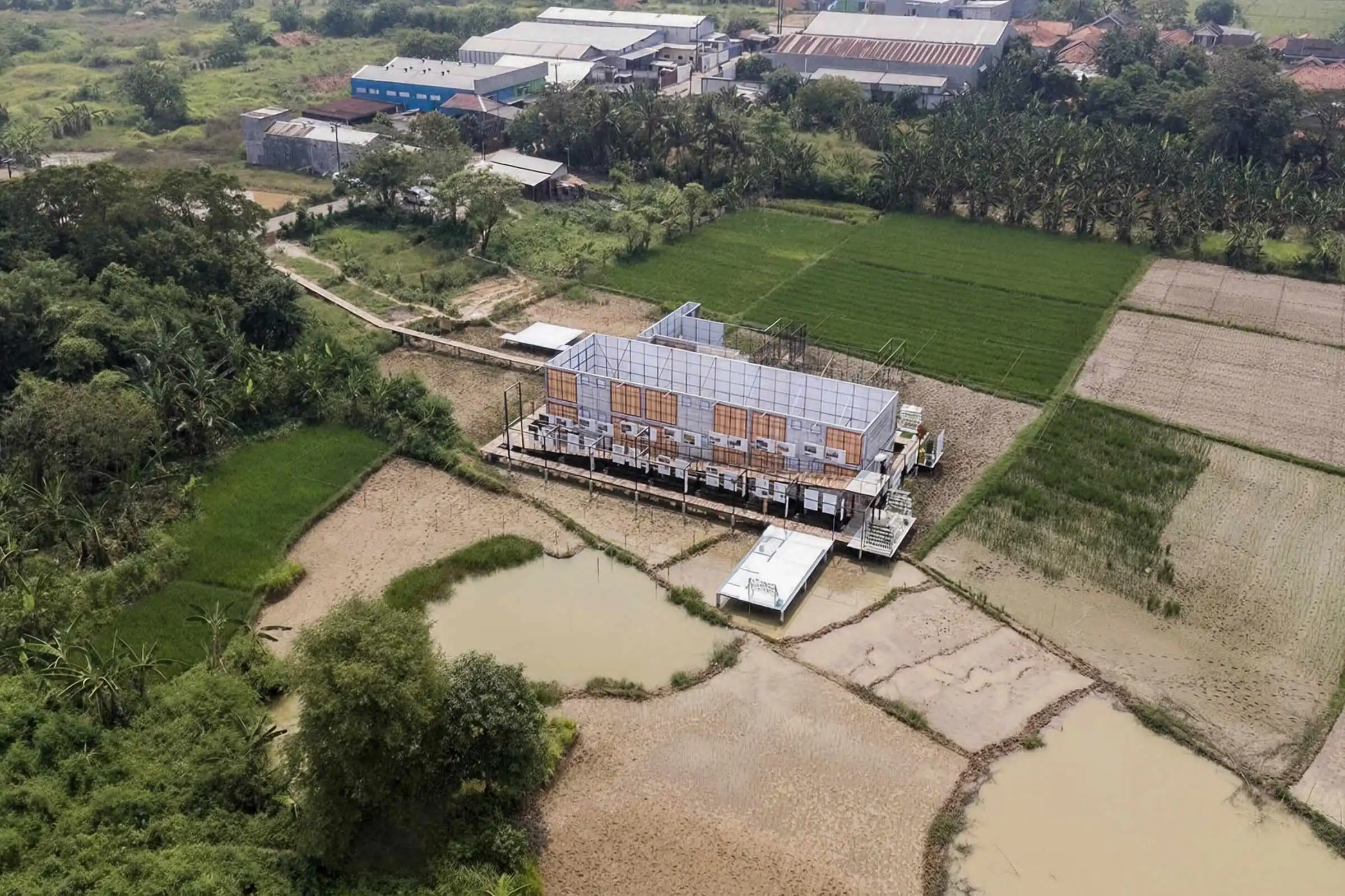
Agropolitan Seed Town, Cikarang, West Java (IDN 2023), at Future Cities Lab (FCL) with Jababeka, explores new settlement types for megacity regions in Monsoon Asia. View project.
What
we make
What
we make
Concepts
Ideas that reframe an economic, social or spatial challenge before a plan takes shape or after one stalls
Scenarios
Possible futures mapped side by side and tested against evidence, revealing what decisions might cost or make possible later
Strategies
Frameworks for coordinated, long-term change, grounded in the conditions and relationships of a place or institution
Urban design
Spatial and development proposals connecting neighbourhoods, districts and cities with their wider hinterlands
Prototypes & tools
Mock-ups, digital tools and working methods that make ideas visible, testable and usable

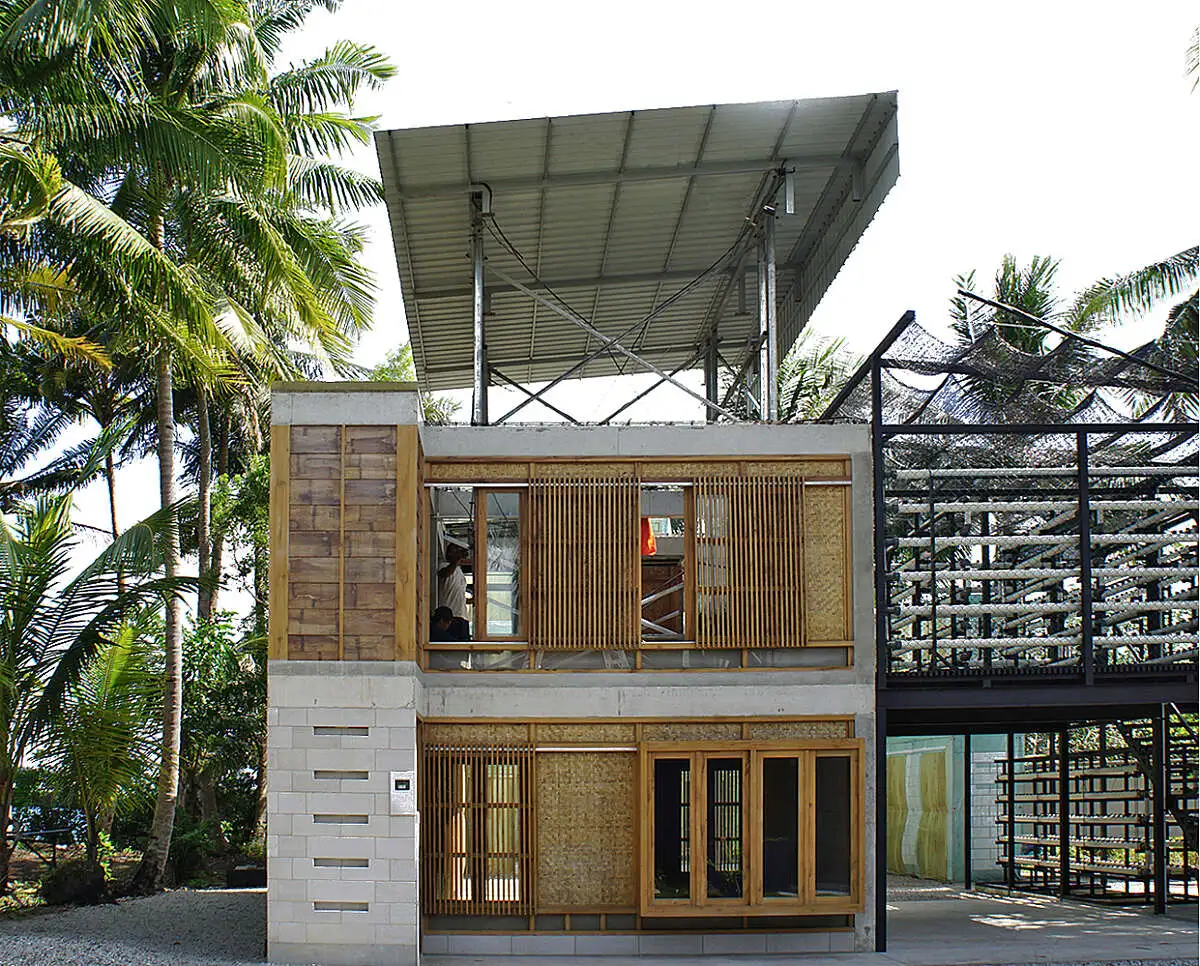
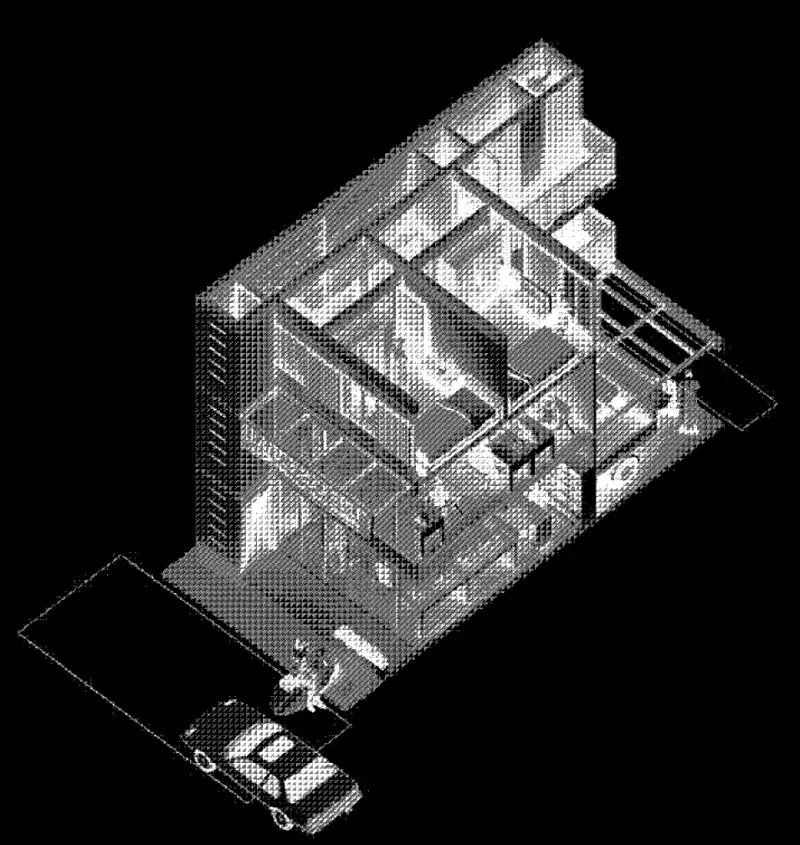
Expandable house
2018
How we work
UR_ works through Design Actions, a method grounded in research and practice that brings evidence and imagination together. We begin with each place’s conditions, not a model to be applied.
In collaborative studios, we develop proposals with clients and support decisions they can understand, defend and carry forward.
Scale is not a ladder. Small decisions shape larger systems; large-scale forces land differently across places. Working across scales reveals where an intervention can make a wider contribution.
Projects move iteratively through five modes:
01
02
03
04

05
06
07

08
How we work
UR_ works through Design Actions, a method grounded in research and practice that brings evidence and imagination together. We begin with each place’s conditions, not a model to be applied.
In collaborative studios, we develop proposals with clients and support decisions they can understand, defend and carry forward.
Scale is not a ladder. Small decisions shape larger systems; large-scale forces land differently across places. Working across scales reveals where an intervention can make a wider contribution.
Projects move iteratively through five modes:
Sensing & framing
Scoping conditions, mapping relationships and identifying what matters
Collaborative analysis
Interrogating evidence, assumptions and constraints
Imagining futures
Generating alternatives and expanding the scope for action
Crafting proposals
Making ideas tangible through designs, prototypes and mock-ups
Building capacity
Creating methods and tools that teams can use independently
01
Agropolitan Seed Town, Cikarang, West Java (IDN 2023), Future Cities Lab (FCL) with PT Jababeka, Institut Pertanian Bogor (IPB), MYCL and partners.
02
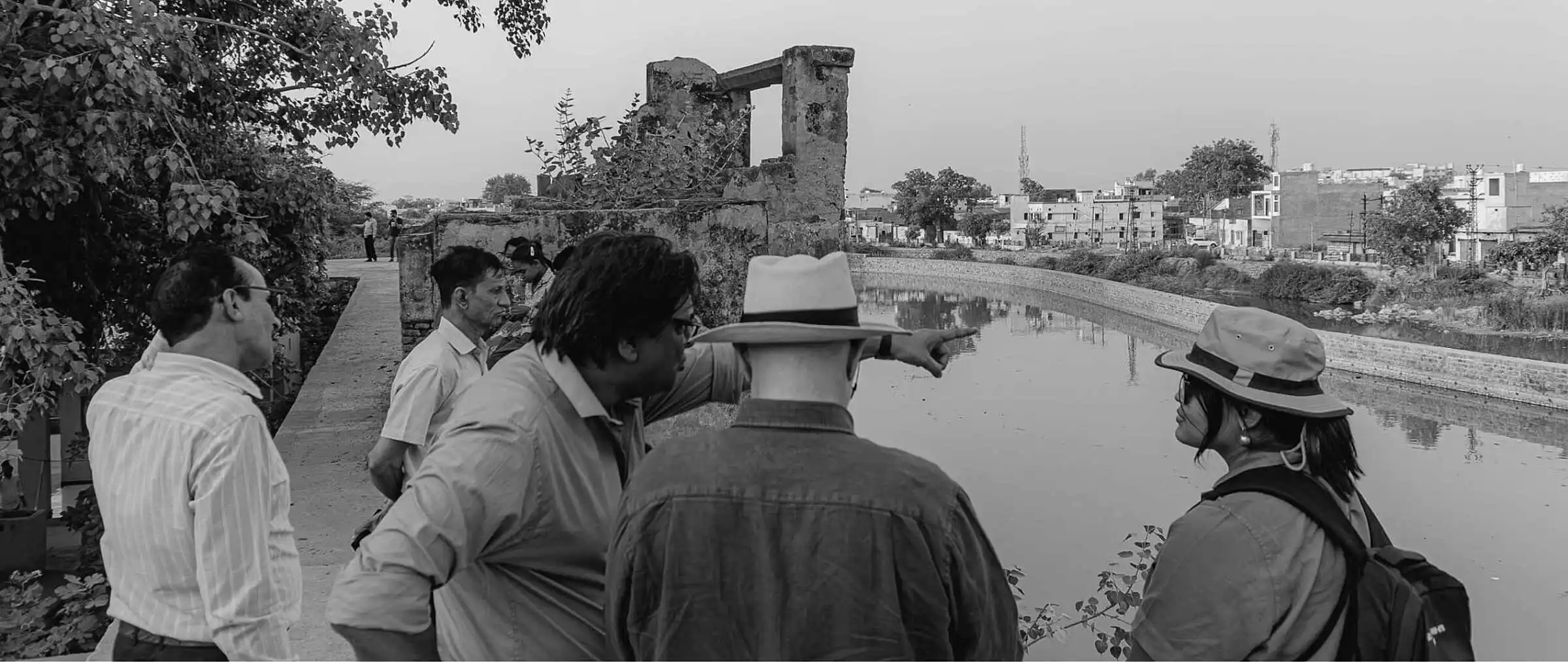
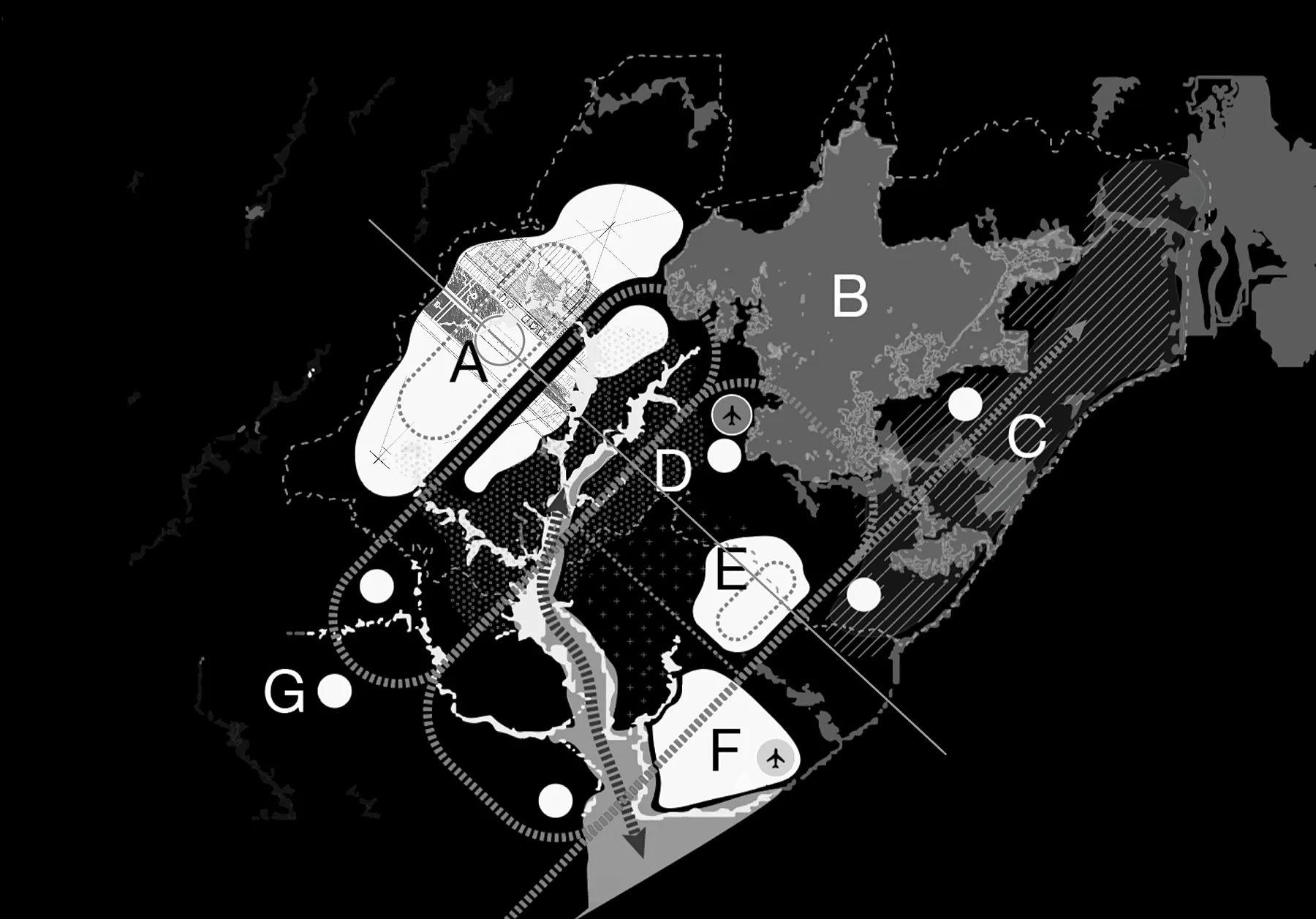
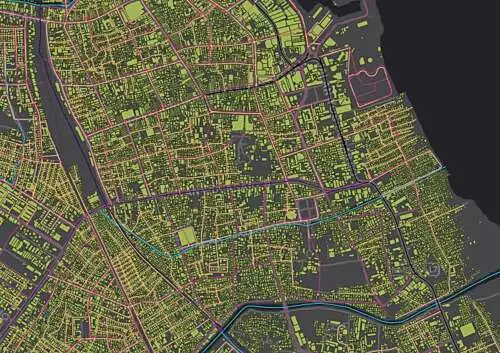
Urbanisation geography of Jakarta, Banten and West Java with high-speed rail corridor.
03
A selection of 13 exemplary built projects which respond to agropolitan conditions from selected architecture and landscape firms in the region.
04
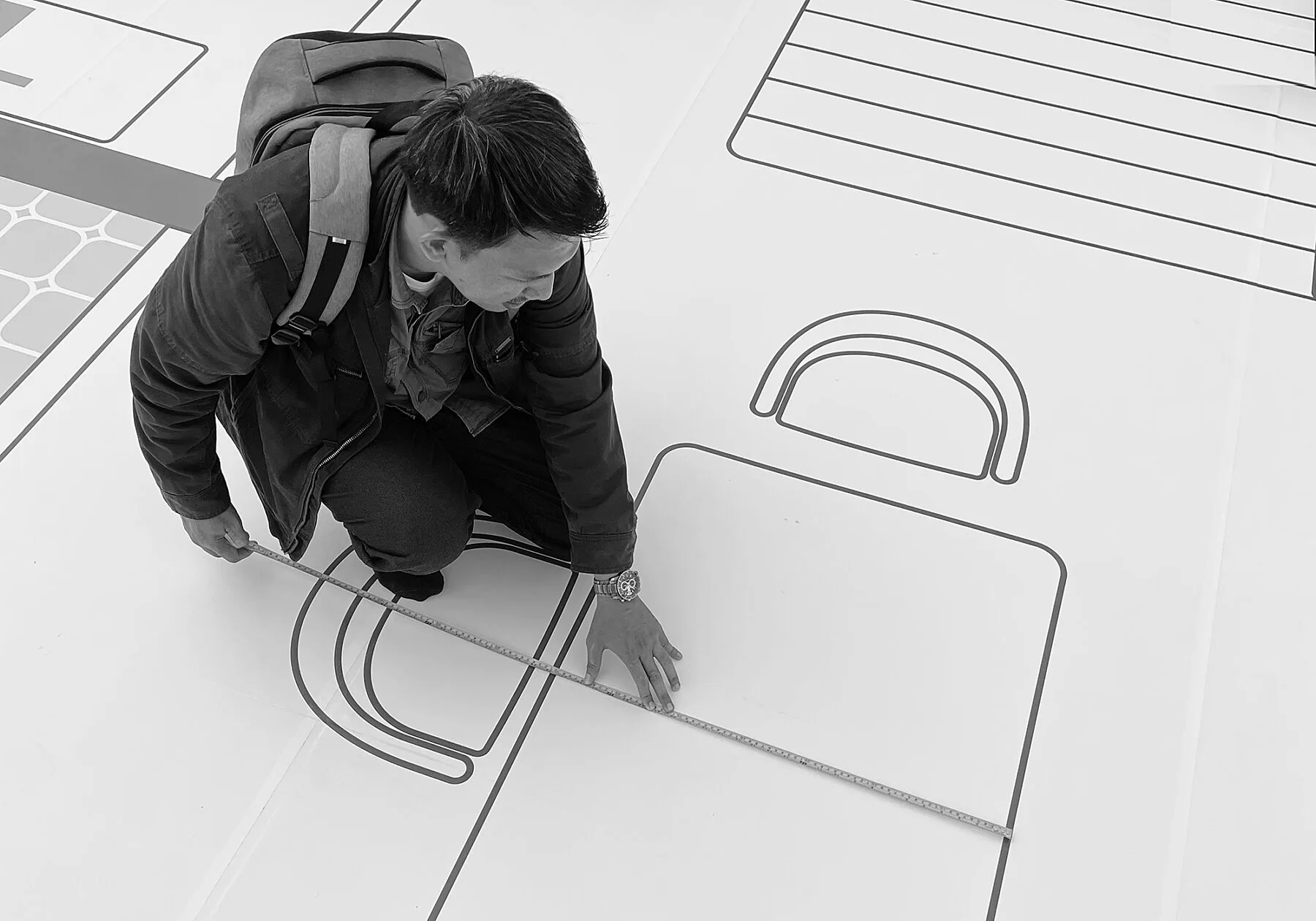
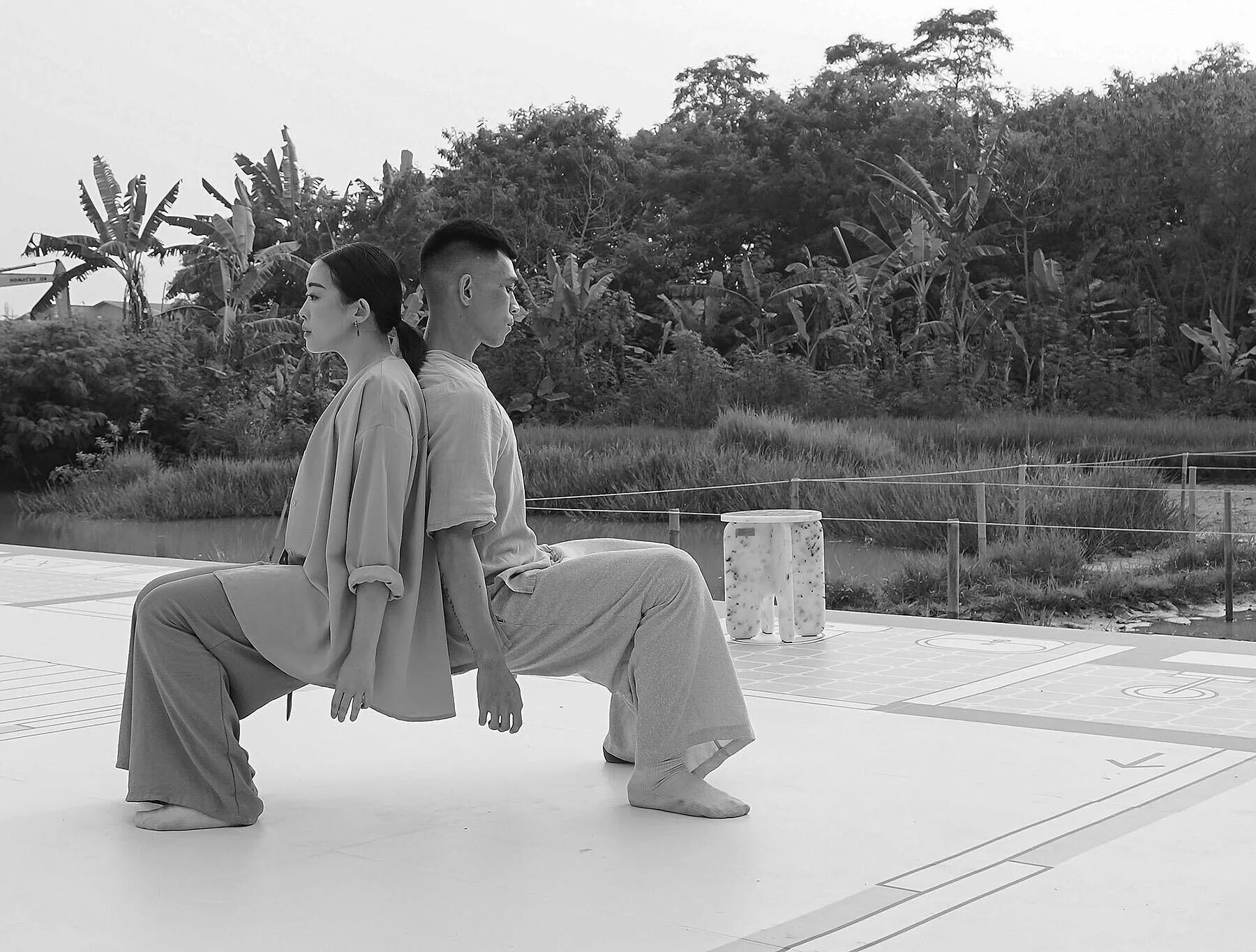
A 1:1 incremental urban design installation with Agropolitan landscape installation by IPB University.
05
Initiated by FCL Global, PT JABABEKA Tbk, IPB University, MYCL and partners, Agropolitan Seed Town opened its door in the middle of paddy field in Cikarang, near Jakarta.
06
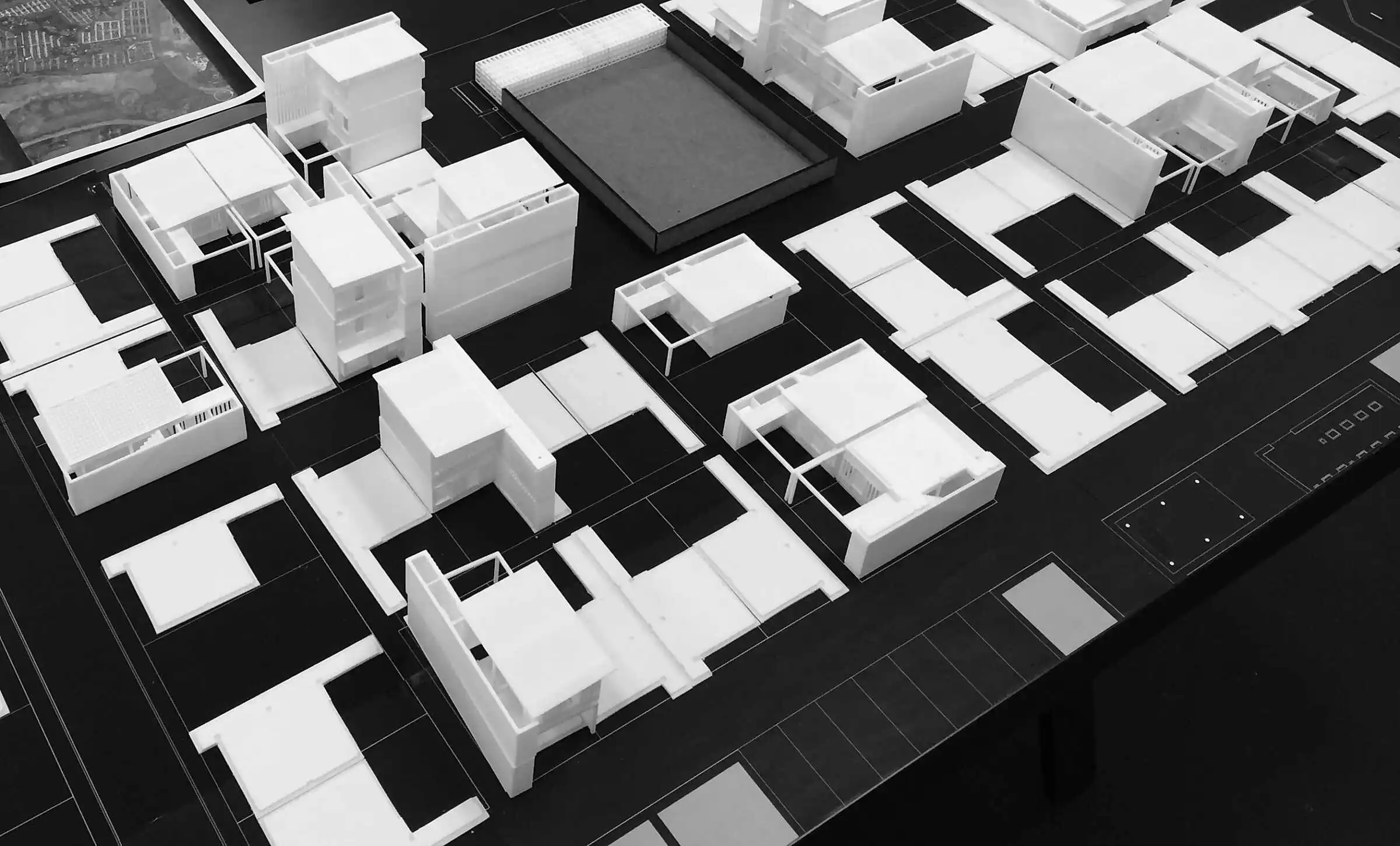
The open-air exhibition consists of: (1)FCL Global research on agropolitan themes, (2)Design studio works from Harvard GSD, NUS MLA, MArch and Monash Indonesia
07
A selection of 13 exemplary built projects which respond to agropolitan conditions from selected architecture and landscape firms in the region.
08
Java 2050 Charrette at Future Cities Lab (FCL)
Projects
Filters



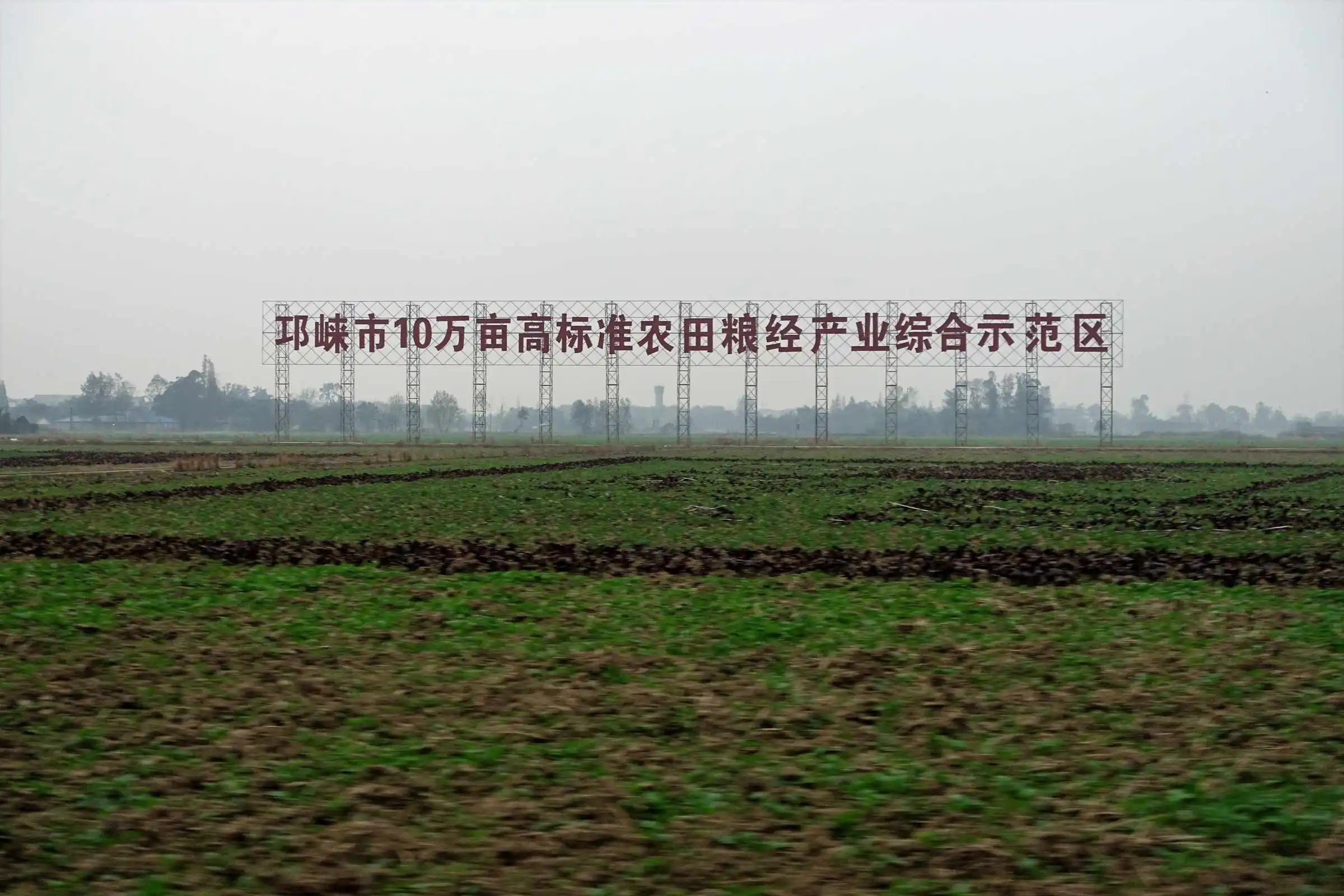

UR_ is a principal-led practice with studios in London and Jakarta. Its principal, Dr Stephen Cairns, retains direct responsibility for client relationships and project integration. Project teams are drawn from a core network of long-term collaborators, including urban designers, ecologists, policy researchers, community practitioners and technical specialists.
People
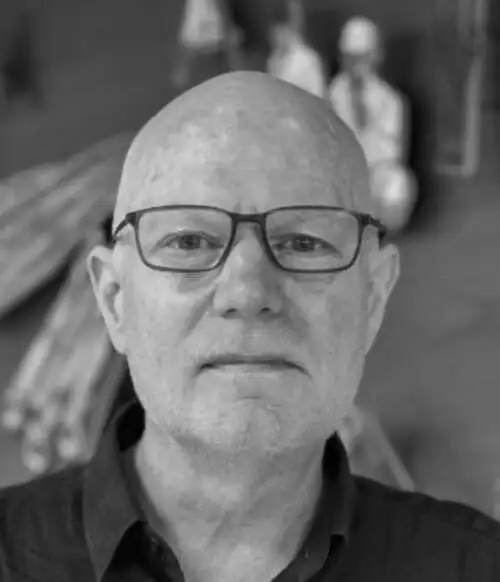
Stephen Cairns is an urbanist and designer who holds professorships at ETH Zurich and Monash University Indonesia. Previously, he directed the Future Cities Laboratory (FCL) and held visiting appointments at Harvard GSD and the National University of Singapore (NUS).
His work connects research and practice through projects such as the award-winning Expandable House — shortlisted for the 2022 Aga Khan Award for Architecture — and publications including Buildings Must Die (MIT Press, 2017) and the Future Cities Laboratory: Indicia series (Lars Müller Publishers).
His clients and collaborators have included Singapore’s Urban Redevelopment Authority, the Asian Development Bank and Schindler Group.
Publications
(8)
View
Cairns, Stephen and Devisari Tunas (eds) (2017, 2019, 2022). Future Cities Laboratory: Indicia volumes 1, 2 and 3. Zürich: Lars Müller Publishers.
Cairns, Stephen, and Jane M. Jacobs (2017). Buildings must die: A perverse view of architecture. Cambridge, Massachusetts: MIT Press.
Neudecker, David, Michael Joos, Muhammad Salihin Bin Zaol-kefli, Yuhao Lu, Niraly Mangal and Stephen Cairns (2022). ‘ur-scape: Harnessing data for stakeholder participation in city-making processes’, Journal of Open-Source Software.
Cairns, Stephen, and Jane M. Jacobs (2019). ‘Fallow deferred’, New Geographies 10, Harvard Graduate School of Design.
Fun, Siew Leng, Kees Christiaanse, Stephen Cairns, Aurel von Richthofen, Dietmar Leyk, Katja Knecht, Yufan Miao, Reinhard König (2018). Urban elements: Advanced studies in urban design. Singapore: Future Cities Laboratory / Urban Redevelopment Authority (URA).
Cairns, Stephen (2018). ‘Debilitating city-centricity: Urbanisation and urban-rural hybridity in Southeast Asia’. In Routledge Handbook of Urbanization in Southeast Asia, ed. Rita Padawangi. London: Routledge. 115-30.
Cairns, Stephen (2015). ‘Wild City? The migrant settlements of Kampung Tower’, Harvard Design Magazine 41: 120-27.
Cairns, Stephen, Herlily and Eva Friedrich (2015). ‘Big Floods, Hard Infrastructure, and 'weak' plans: Megacity vulnerability and the case for diversified instruments for city-making’. In Cities in transition: Power, environment, society, ed. Wowo Ding, Arie Graafland and Andong Lu. Rotterdam: NAi Uitgevers / Publishers Stichting.
Exhibitions
(7)
View
Cairns, Stephen, and Daliana Suryawinata (2022-2023). ‘Agropolitan Seed Town’, Urban-Rural Systems with Jababeka and consortium, Cikarang, West Java, Indonesia.
Cairns, Stephen, Evi Syaffrudin and Agropolitan Territories (2023, 2025). ‘Agropolitan Territories of Monsoon Asia, ETH Zürich, Hauptgebaude/Honggerberg, Zürich and National Design Centre, Singapore.
Cairns, Stephen, Niraly Mangal, Miya Irawati, Andra Matin, Danny Wicaksono and Firman (2020). ‘Kualakai’, Capital city relocation design and planning competition, Indonesia. Ministry of Public Works and Public Housing, Indonesia.
Cairns, Stephen, David Neudecker, Kezia Dewi, Alpano Priyandes et al. (2016). ‘Desakota landscapes: Urban-Rural Economies in Southeast Asia’. In The Next Economy, 7th International Architecture Biennale Rotterdam (IABR). April – September 2016, Maarten Hajer (Curator), Netherlands Architecture Institute, Rotterdam.
Cairns, Stephen, Miya Irawati, Azwan Aziz and Dioguna Putra (2020). ‘Expandable house’, Awarded ‘Living Space of Asia Pacific’, International Inde Awards; nominated for ‘Building of the Year’ (2018 and 2020) Archdaily;
Cairns, Stephen, Miya Irawati, Azwan Aziz and Dioguna Putra (2020). ‘Expandable house’, short-listed for Aga Khan Award for Architecture (2022 cycle); reviewed in Arketipo: Architeturra Del Fare (2025), Future Homes: Sustainable Innovative Designs (Avi Friedman 2023); Bluprint (Maria Rebecca Abaya 2021); Futurarc (2019); Metalocus (2022).
Cairns, Stephen, Devisari Tunas, Niraly Mangal, Rina Wulandari and Joris van Etten (2021). Leveraging spatial data for pandemic-resilient cities. Manila: Asian Development Bank (ADB) / ASEAN Australia Smart Cities Trust Fund (DFAT Australia).
Contact
studio@ur.systems
10:40am (AEDT)
Time in Jakarta Indonesia
Tuesday, 5 December 2023
Time in Jakarta Indonesia
Tuesday, 5 December 2023
We acknowledge our responsibility as stewards of the environmental, cultural, and social systems where we work.